

The Nature of Risk in Gambling
The concept of risk is integral to understanding player behavior in casinos. It encompasses not just the probability of losing money, but also the emotional and psychological responses players exhibit when engaging in gambling activities. Many players approach casino games with a mix of hope and anxiety, often weighing their desire for potential winnings against the fear of loss. This interplay between risk and reward creates a complex environment that can influence decision-making in significant ways. Additionally, players can find valuable insights by exploring the range of bonuses available, like those featured at Cwinz Bonus India, to enhance their experience.

Moreover, the allure of risk can be linked to the thrill and excitement that gambling provides. Players are often drawn to the unpredictability inherent in games of chance, where the outcome is uncertain. This uncertainty can activate the brain's reward system, releasing dopamine and creating a sensation similar to that experienced during other risky behaviors, such as extreme sports. Understanding this psychological aspect helps to explain why players might continue gambling, even in the face of repeated losses.
Additionally, players often construct narratives around their gambling experiences, interpreting wins and losses through their personal lens. This cognitive bias can lead to irrational decisions, such as chasing losses or believing they have an edge in a game. The psychology of risk, therefore, is not solely about mathematical probabilities but also involves the stories players tell themselves, which can significantly impact their behavior in the casino setting.
The Role of Luck vs. Skill
In casinos, the debate over luck versus skill is a prominent one. Games like poker require a degree of skill and strategy, where players can influence outcomes based on their decisions. Conversely, games such as slots rely predominantly on chance, leaving players with little control over the results. This distinction significantly shapes player behavior, as those who believe in skill often feel more empowered and engaged, while those reliant on luck may feel more vulnerable and anxious.
Research indicates that players who perceive themselves as skilled tend to take greater risks, as they believe they can mitigate potential losses through their abilities. This phenomenon is evident in table games where strategy plays a role, creating a sense of agency. On the other hand, players who view their outcomes as governed solely by luck might engage in more conservative behavior, hesitant to place large bets due to the fear of inevitable losses.
Furthermore, the belief in luck can also lead to the "gambler's fallacy," where individuals think that past results will influence future outcomes. This misperception can alter betting patterns, leading to decisions based on superstition rather than informed strategy. Understanding this dynamic can provide insights into the varied behaviors exhibited by casino players and how their beliefs about luck versus skill shape their gambling experiences.
The Psychological Triggers of Gambling
Certain psychological triggers are vital in understanding why individuals are drawn to casinos. These triggers can be environmental, emotional, or cognitive, influencing players' decisions and the overall gambling experience. For instance, the sensory aspects of a casino—vibrant lights, engaging sounds, and the ambiance—can create a stimulating environment that heightens emotional responses and encourages play. Such stimuli can activate feelings of excitement that mask the risks involved.
Emotional factors also play a crucial role. Many players gamble to escape stress or anxiety, finding temporary relief in the thrill of gaming. The excitement can serve as a distraction from daily pressures, making gambling an attractive option. However, this can lead to problematic behaviors, where players may use gambling as a coping mechanism, often overlooking the risks associated with such escapism.
Cognitive biases, including overconfidence and optimism bias, further complicate player behavior. Players may overestimate their chances of winning or underestimate the risks, leading them to make less rational decisions. This disconnect between perception and reality can fuel a cycle of gambling that becomes increasingly difficult to break, reinforcing the importance of understanding psychological triggers in gambling settings.
The Impact of Social Influences on Player Behavior
Social influences can significantly shape how individuals approach gambling, highlighting the communal aspects of casino experiences. Social environments—whether in-person at a casino or online—can encourage certain behaviors, as players often look to others for cues on how to act. For instance, witnessing fellow players winning can create a sense of urgency and excitement, prompting individuals to increase their betting amounts despite personal reservations.
Conversely, social norms surrounding gambling can also foster more cautious behaviors. In settings where losing is seen as shameful or embarrassing, individuals might refrain from taking risks or placing larger bets. This social feedback loop can play a significant role in shaping a player's self-image and, ultimately, their gambling behavior. Understanding these social dynamics is crucial for casinos aiming to create an engaging yet responsible environment for players.
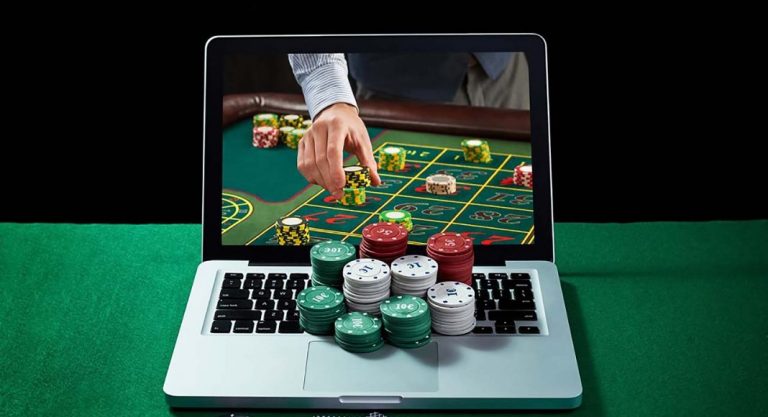
The rise of online gambling platforms further complicates these dynamics. Players may feel a greater sense of anonymity, leading to riskier behavior than they might exhibit in a traditional casino. The lack of face-to-face interaction can diminish the social checks that often moderate behavior in physical settings. Understanding these social influences is essential for both players and casinos to promote healthier gambling practices.
Understanding Responsible Gaming and Player Support
As the complexities of player behavior and risk in casinos are unveiled, the importance of responsible gaming becomes evident. Casinos have a duty to create an environment where players can enjoy gaming without succumbing to the negative impacts of gambling addiction. This entails offering resources for education on responsible gaming practices, including setting limits and understanding the odds. By fostering a culture of awareness, casinos can empower players to make informed decisions.
Support systems are crucial for players who may be struggling with their gambling habits. Many casinos now offer self-exclusion programs and access to counseling services, allowing players to take proactive steps toward responsible gaming. These initiatives not only protect the welfare of players but also enhance the reputation of casinos as caring establishments. The balance between entertainment and responsibility is a delicate one, and understanding player psychology can guide casinos in implementing effective measures.
In conclusion, the intertwining of psychology and gaming behavior plays a pivotal role in how players interact with risk in casinos. Understanding the nuances of risk perception, the influence of luck versus skill, psychological triggers, social influences, and the importance of responsible gaming can lead to a healthier gambling environment. As the industry evolves, continued emphasis on these factors will be essential for both player satisfaction and safety.